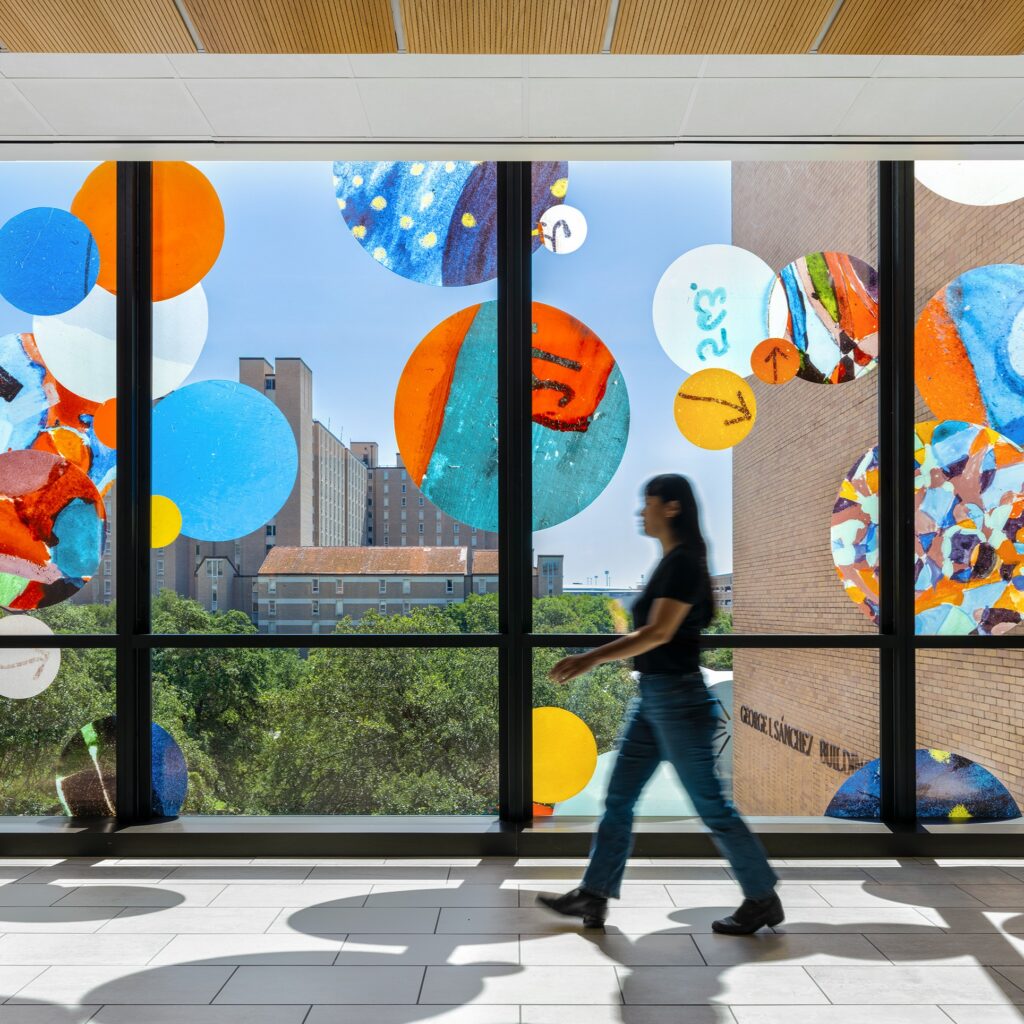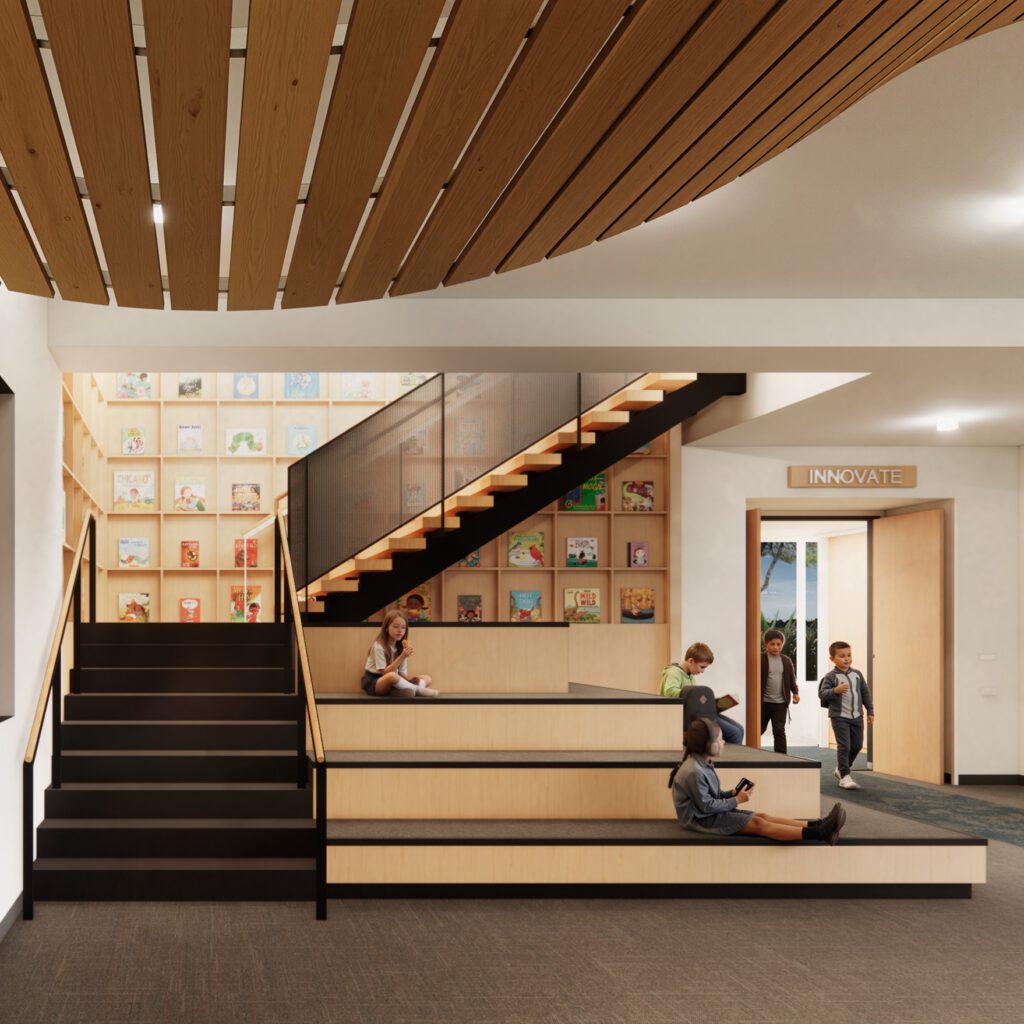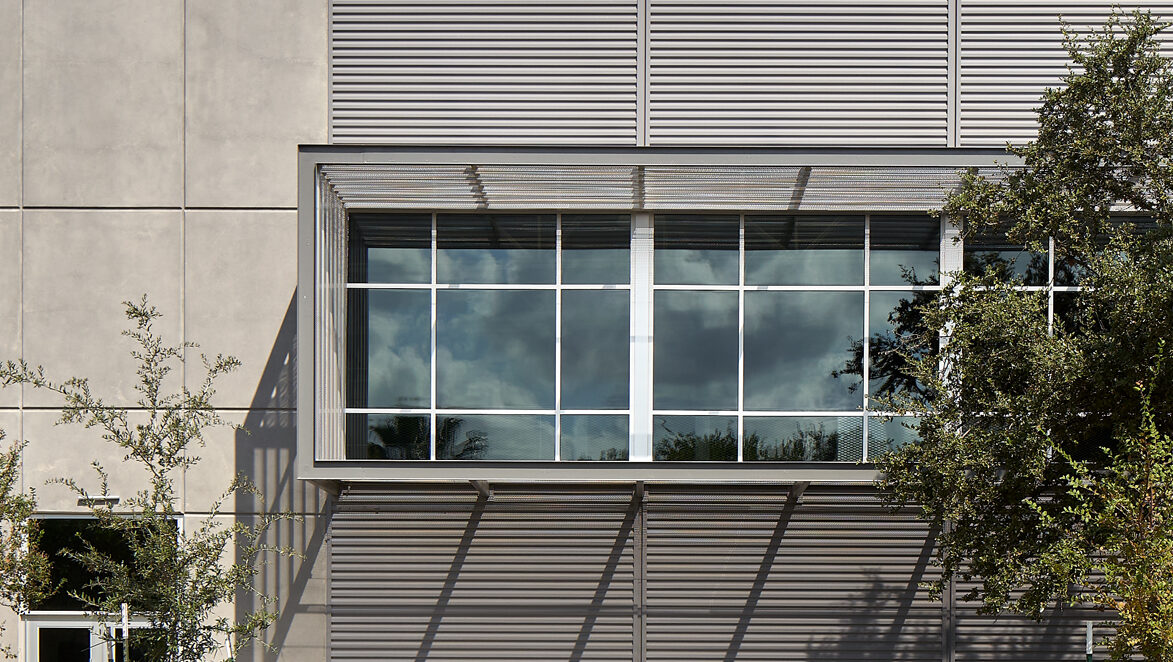
Architecture begins with an idea and becomes part of the world we share.

At its best, it can create places that engage, inspire, and belong while supporting human well being and responding thoughtfully to the environment.

Engage / Inspire / Belong

We make places that engage people by transforming ideas into experience.

We make optimistic places that inspire by giving form to possibility. Design can stir emotion and awaken the senses.

We make places that help people belong by rooting buildings in the life around them.
Read More
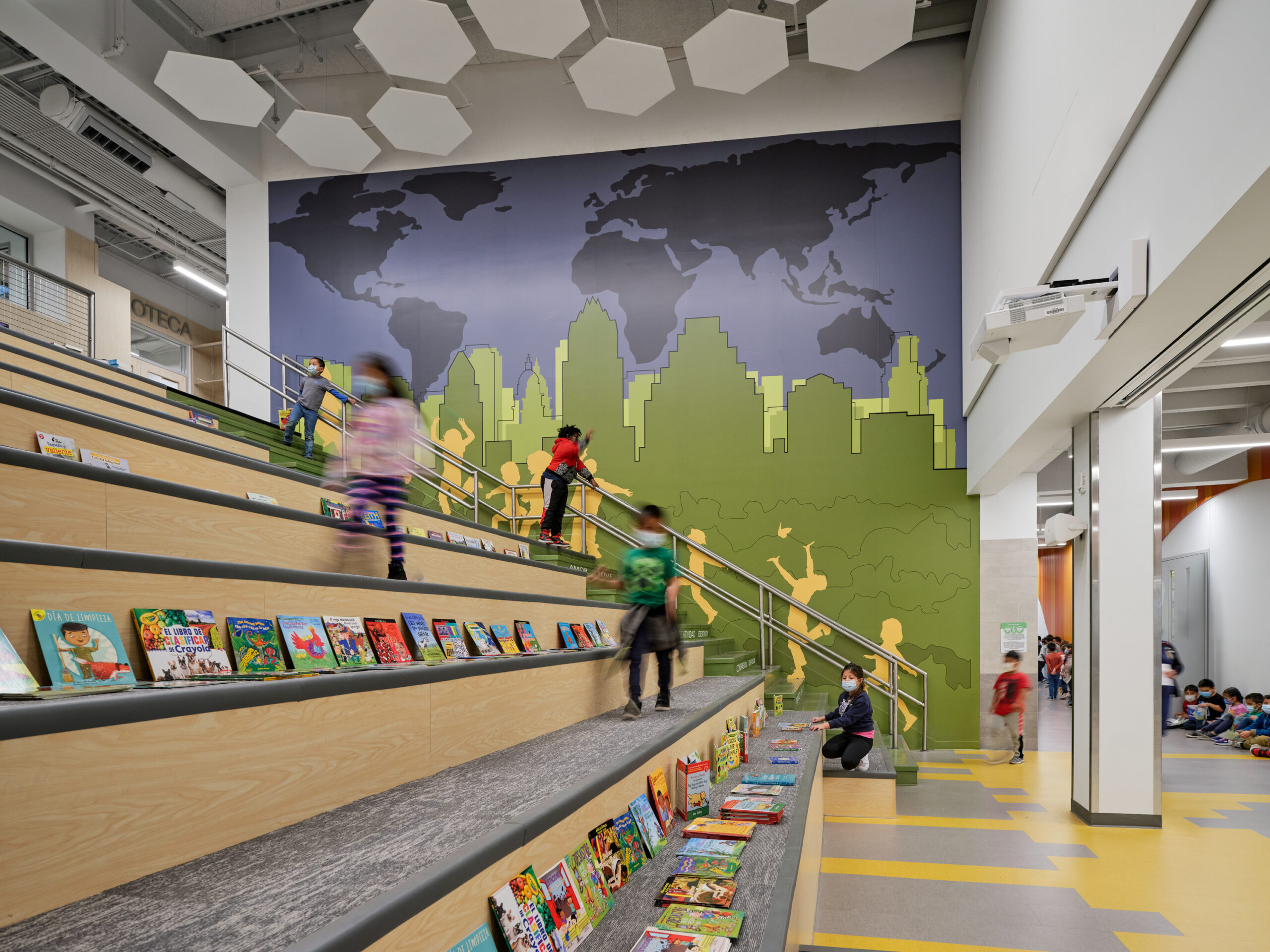
AISD Sanchez 8b

Concept-Driven Design

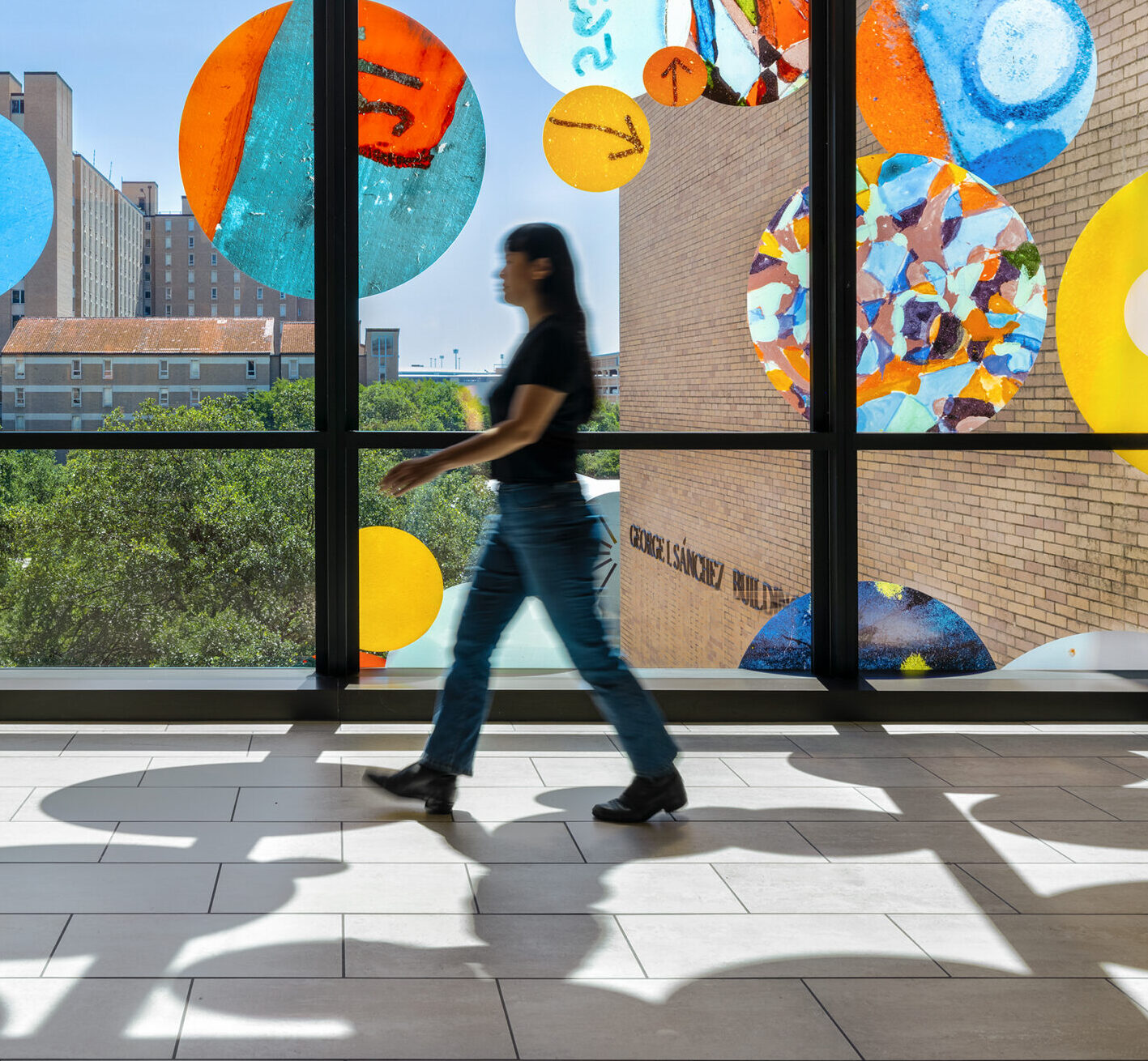
Concept-driven design gives each project a clear purpose that carries through the work. It creates coherence by connecting individual decisions to a larger idea, while leaving room for the design to develop through exploration and discovery. The result is work with a strong sense of identity, where each part feels connected to the whole.
Read More
PindellH Autobiography BardagjyP 0015

Sustainability &
Building Science

A building’s environmental and human impacts begin with the materials used for construction and continue through its operation, maintenance, and eventual reuse. Our work focuses on embodied carbon, operational carbon, and material health, using building science to connect design decisions with measurable performance. In-house energy, daylight, and hygrothermal modeling allow us to test design strategies early and develop buildings that use resources carefully and perform reliably over long lifespans.

Read More
Hogg Auditorium Building History Designed by French architect Paul Cret and completed in 1933, Hogg Memorial Auditorium was the first theater on campus and was part of the "Union Group" buildings financed almost entirely by student and alumni efforts. The auditorium was named after James Stephen Hogg, the first native governor of Texas. Hogg has served as a hub for different aspects of the UT campus life since it opened its doors. In the 1950s, it was the main stage for UT’s drama department and throughout time it continued to serve as a venue for lectures, debates, and traveling plays, serving the campus as well as the community. After a dormant phase when Hogg was used for lectures, exams, and film screenings, it reopened as a performing arts venue in 1997. Today, Hogg maintains many of its original architectural features that make the space a historical gem on the Forty Acres. Through the combined efforts of Student Government, the College of Fine Arts, and the Division of Student Affairs, we are excited to provide Hogg Memorial Auditorium as a student-centric programming space for creative events primarily planned and produced by registered student organizations. The newly renovated space designed McKinney York Architects and SpawGlass Construction and reopenedin the Fall of 2023 features 1,000 seats and provides the ideal venue for lectures, theatrical performances, talent shows, panel discussions, movies, and many more type of events to fit your programming needs. Hogg Memorial Auditorium may only be used by Student Organizations and University Departments for university events. Project Details Hogg Memorial Auditorium was built in 1932 by University Architect Paul Cret and has served the university for almost a century as a venue for important functions such as esteemed speakers, performances, new student orientation, final exams, and graduation. As a sub-consultant to Jacobs, McKinney York is providing architectural services, balancing the historic

Community Engagement

A project draws its vitality from the contributions of the people it serves. Through deep listening sessions with open dialogue, we uncover shared aspirations and build trust to establish shared direction for the design.  Bringing community voices into the design process early helps us create meaningful spaces that truly serve the people who use them and foster a sense of belonging.

Read More
Community Engagement